

How Modular Homes Are Revolutionising Affordable Housing in Australia
The Australian housing market has long been plagued by high property prices, making homeownership an unattainable dream for many. The rising costs of construction, land acquisition, and labour shortages have only exacerbated the problem. However, one innovative solution is gaining momentum—modular homes. These prefabricated dwellings are transforming the housing landscape and providing a viable answer to the growing demand for affordable housing in Australia.
At Future Modular Homes, we are committed to providing high-quality, cost-effective, and sustainable housing solutions. Our modular homes are designed to meet the evolving needs of Australians looking for an affordable and efficient way to own a home. By leveraging modern construction techniques, we offer a streamlined process that reduces costs and ensures fast project completion.
What Are Modular Homes?
Modular homes are prefabricated structures built off-site in a controlled factory environment. Once completed, they are transported to the designated location and put in place. Unlike traditional homes, which are constructed from the ground up on-site, modular homes offer a streamlined approach that significantly reduces construction time and costs.
This alternative to conventional housing has gained traction in Australia due to its efficiency, sustainability, and ability to address the affordable housing crisis. With property prices continuing to rise, modular homes present an opportunity for prospective homeowners to enter the market at a fraction of the cost.

The Growing Demand for Affordable Housing in Australia
Australia’s affordable housing crisis is at an all-time high, with many families struggling to find suitable accommodation within their financial means. Factors such as urbanisation, population growth, and wage stagnation have contributed to the widening gap between housing demand and supply.
Governments at both federal and state levels have introduced policies to increase affordable housing availability, but progress has been slow. Traditional construction methods are time-consuming and expensive, making it challenging to meet the increasing demand for cost-effective housing solutions.
Modular homes have emerged as a practical alternative, offering affordability without compromising quality. As an innovative housing solution, they are quickly becoming the go-to choice for individuals and families looking for affordable housing options.
How Future Modular Homes Provide an Affordable Housing Solution
Cost-Effective Construction
One of the most significant advantages of modular homes is their cost-effectiveness. Since they are built in a factory setting, manufacturers can control material costs, reduce waste, and streamline labour. This controlled environment minimises delays caused by weather conditions, resulting in faster project completion and lower costs.
Reduced Construction Time
Traditional homes can take several months or even years to complete, depending on the project’s complexity. In contrast, modular homes can be built in a matter of weeks. The quicker turnaround time means lower labour costs and faster occupancy, making modular homes an attractive option for those in need of affordable housing.
Sustainability and Energy Efficiency
At Future Modular Homes, we prioritise sustainability. Our modular homes are designed with energy-efficient features such as solar panels, rainwater harvesting systems, and smart home technologies. These eco-friendly elements help homeowners save on utility bills, making modular homes a long-term affordable housing solution.
Flexibility and Customisation
Contrary to popular belief, modular homes are not one-size-fits-all. Buyers can customise their homes to suit their preferences, from layout designs to finishing materials. This level of flexibility allows homeowners to create a personalised space within their budget, further reinforcing the concept of affordable housing.
Income Opportunities with Platforms like Airbnb
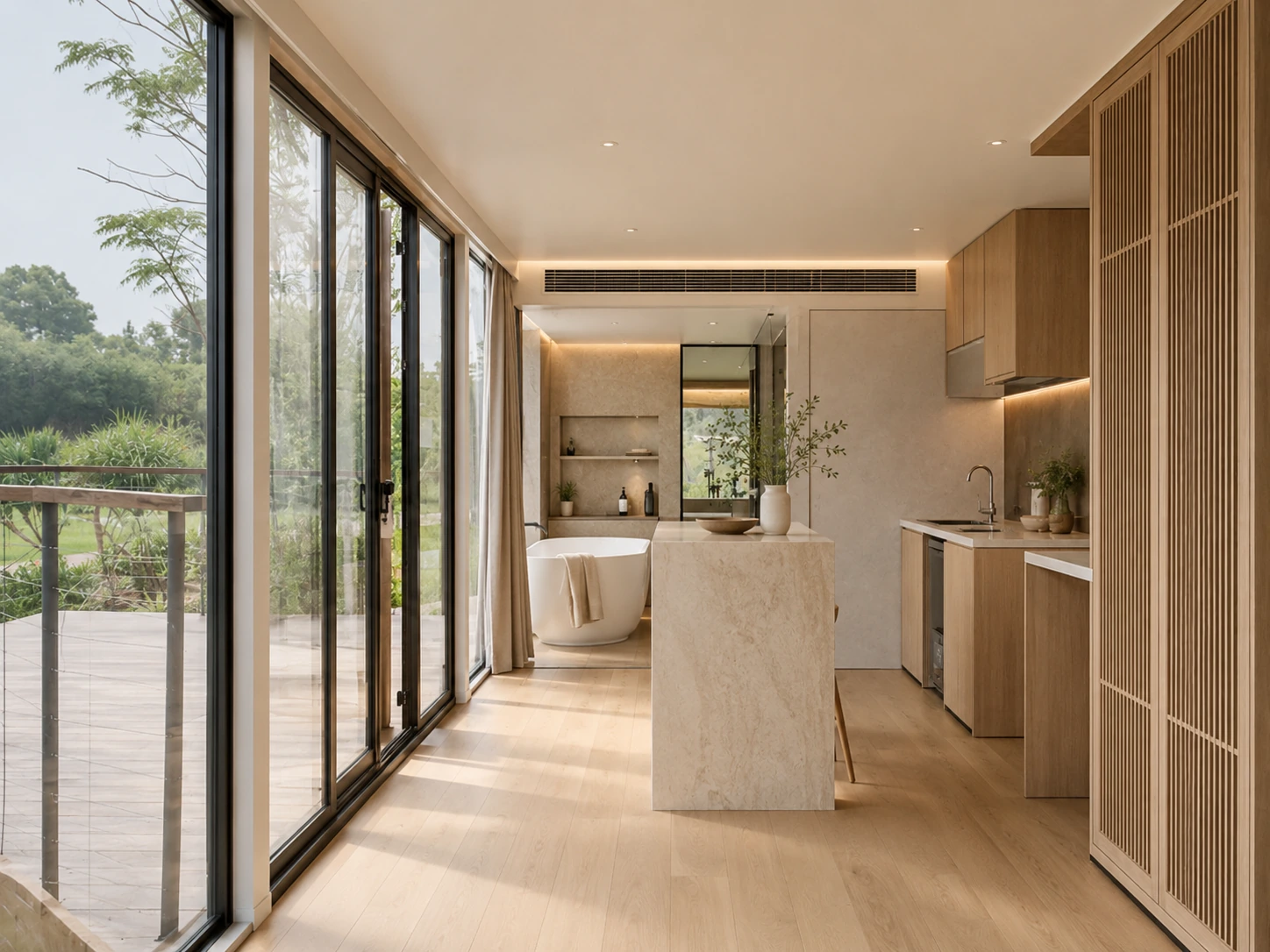
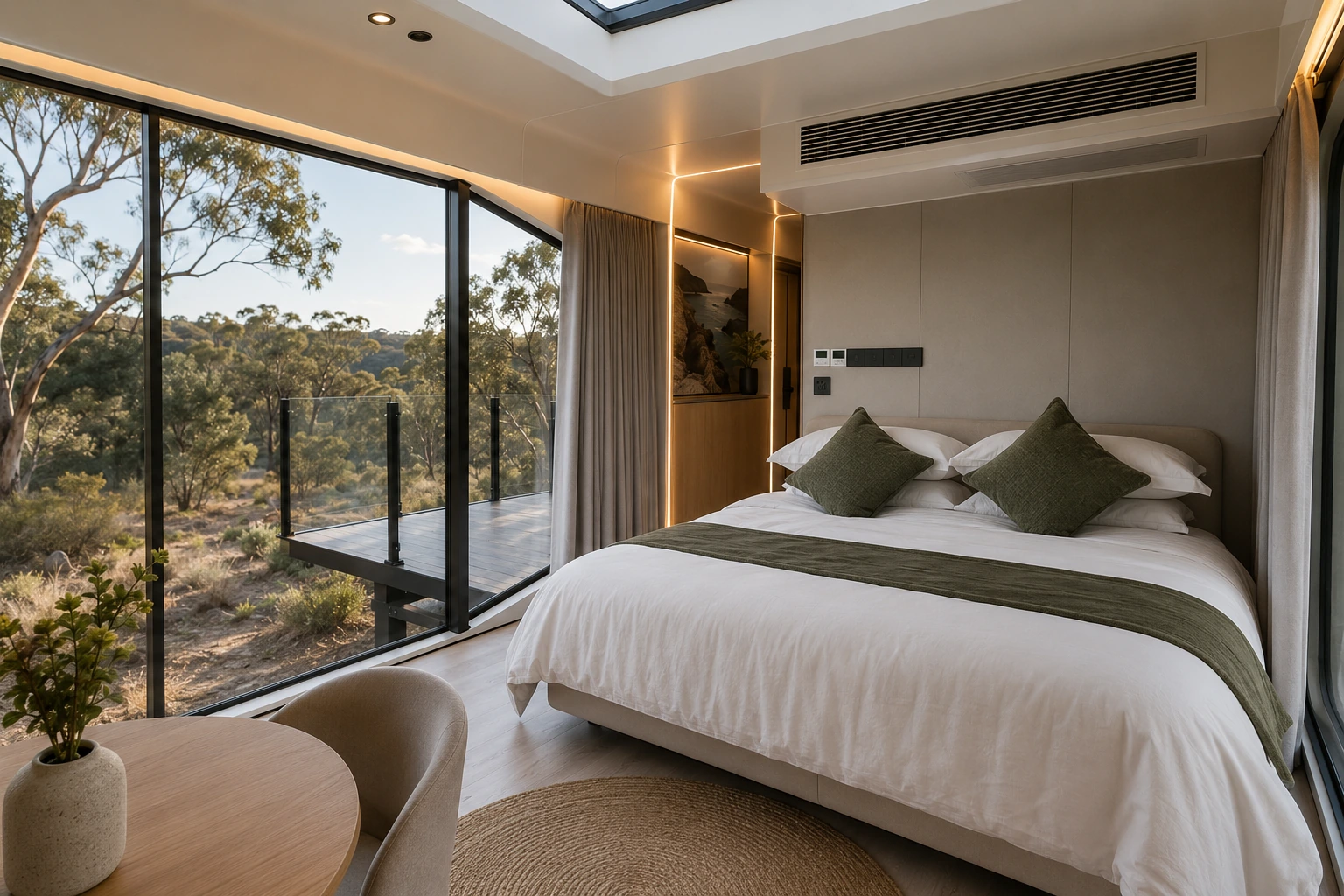
Modular homes not only serve as a primary residence but can also generate income. Many homeowners are leveraging platforms like Airbnb.com to rent out their modular homes as short-term accommodations. This is an excellent way to offset mortgage costs or create a steady revenue stream. With the rise of remote work and travel, modular homes in scenic or high-demand locations can become lucrative investment properties, further increasing their appeal in the affordable housing market.
Government Support and Incentives for Modular Homes
Recognising the potential of modular homes in addressing the affordable housing shortage, Australian governments are increasingly supporting this innovative housing solution. Some states have introduced incentives, grants, and policy changes to encourage modular home adoption.
For example, Victoria has embraced modular construction in social housing projects, while New South Wales has streamlined approval processes for prefabricated homes. These initiatives aim to promote modular housing as a viable means of increasing affordable housing availability across the country.
Additionally, government-backed financial institutions are exploring loan options tailored for modular homes, making it easier for potential homeowners to secure financing. As awareness and support continue to grow, modular homes are expected to play an even greater role in Australia’s affordable housing strategy.
Overcoming Challenges in Modular Housing Adoption
Despite their numerous benefits, modular homes still face some challenges that hinder widespread adoption. Common misconceptions include concerns about durability, resale value, and financing options. However, industry advancements have addressed many of these issues, making modular homes a competitive alternative to traditional housing.
-
Durability and Quality: Modern modular homes are built to strict industry standards, ensuring they meet or exceed the quality of conventional houses. Materials used in modular construction are often stronger and more durable due to the controlled manufacturing process.
-
Resale Value: While some buyers worry about the long-term value of modular homes, studies show that well-maintained modular dwellings hold their value similarly to traditional houses. Factors such as location, upkeep, and market conditions influence resale prices.
-
Financing and Insurance: Many banks and lenders now offer financing options for modular homes, recognising their role in affordable housing solutions. Likewise, insurance providers have adapted their policies to cater to modular homeowners, reducing barriers to entry.
The Future of Modular Homes in Australia’s Affordable Housing Market
The increasing popularity of modular homes is reshaping the Australian housing market. As the demand for affordable housing continues to rise, modular construction offers a scalable, efficient, and cost-effective solution.
With advancements in design, sustainability, and government support, modular homes are set to become a mainstream housing choice. Developers, policymakers, and homebuyers alike are beginning to recognise the long-term benefits of prefabricated dwellings.
Why Choose Future Modular Homes?
At Future Modular Homes, we are passionate about delivering high-quality, affordable housing solutions tailored to the needs of Australian families and investors looking to create their next stream of income. Our team of experts ensures that every home is built to the highest standards, providing durable, stylish, and energy-efficient living spaces.
Whether you’re a first-time homebuyer, looking to downsize, or searching for an investment opportunity, modular homes offer a practical and affordable housing solution. Contact Future Modular Homes today to explore how we can help you achieve your dream of homeownership.
In conclusion, modular homes are revolutionising affordable housing in Australia by providing a practical, sustainable, and cost-effective alternative to traditional construction. As awareness and adoption continue to grow, these innovative homes will play a crucial role in addressing the country’s housing affordability crisis. Whether for first-time buyers, downsizers, social housing projects, or investment properties on platforms like Airbnb, modular homes offer a promising future for affordable housing in Australia.
A Practical Path to More Affordable Housing
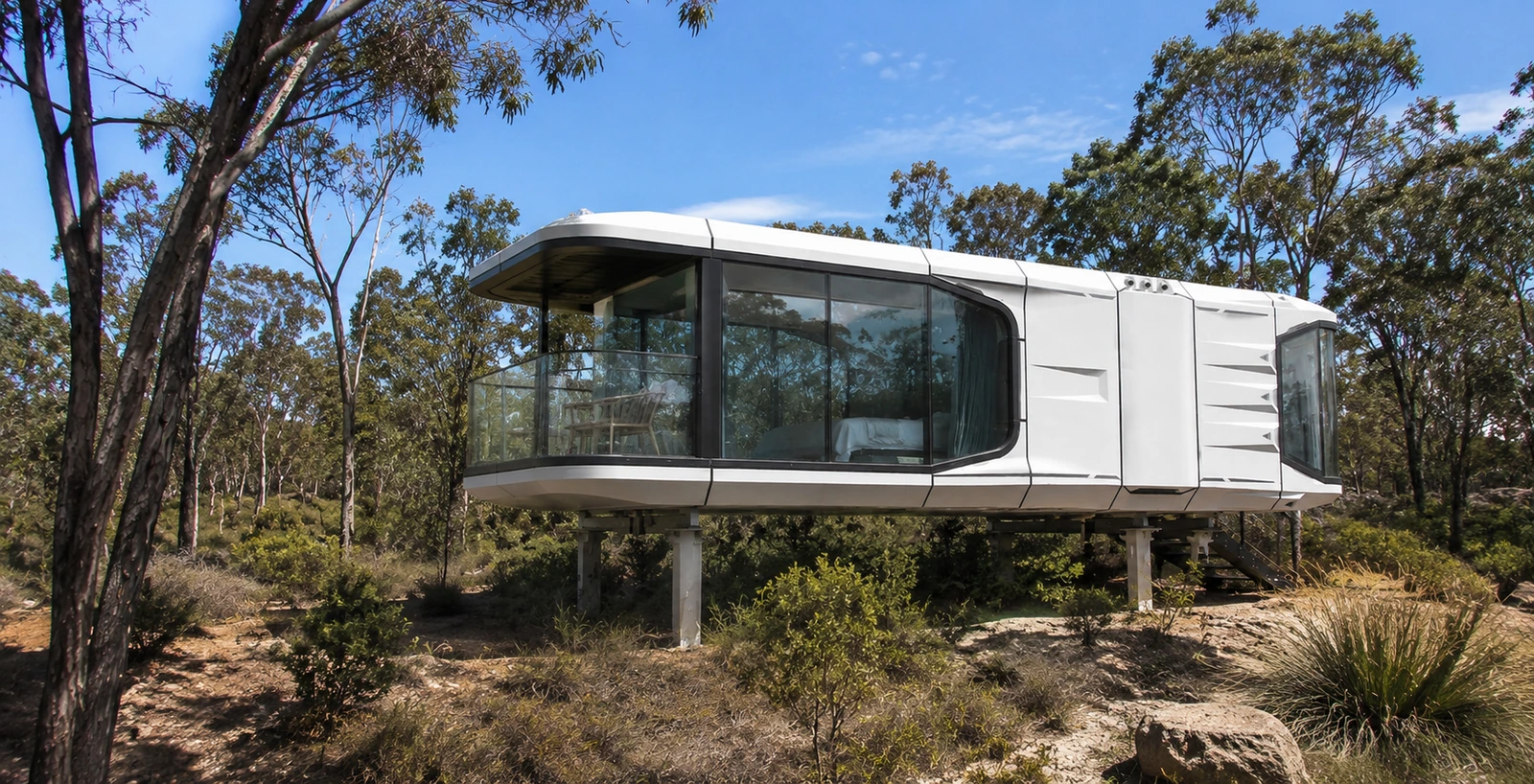
Future Modular Homes supports more affordable housing through factory-built modular construction, efficient material use, shorter site programmes, and designs that can adapt to families, community providers, and investors. From compact dwellings to multi-unit projects, this approach gives buyers clearer scope and a practical alternative to conventional construction. Whether you are planning a primary residence, social housing programme, downsizer home, or investment property, modular delivery can reduce waste, simplify coordination, and create durable housing suited to Australian conditions today.
As Sydney continues to embrace the tiny house movement, Future Modular Homes is leading the way with innovative designs that combine style, comfort, and sustainability. Sydney tiny houses are no longer just a trend, they’re a lifestyle choice for those who value quality, innovation, and breathtaking views. The future of Sydney tiny homes is here—and it’s more luxurious than ever. Book a call with us today to learn more about our designs. Let’s build your future together!
Get expert advice from our project consultants on how we can bring your vision to life.
Other Recommended Projects For You

Site Office Delivery Day: Access, Crane, Hardstand and Services
What has to be ready before a portable site office arrives: truck access and the 4.3 metre height limit, a level compacted hardstand, crane licensing and powerline clearances, and the electrical connection under AS/NZS 3012.

Are Expandable Homes Class 1a Permanent Dwellings in Australia?
Class 1a is a classification a certifier applies to a building on a site, not a badge a factory attaches. Here is what the NCC, the ABCB prefabrication handbook and the referenced Australian Standards actually require of a folding module.

Shipping Container Site Office: An Australian Buyer’s Guide
A practical guide to buying a shipping container site office in Australia: how to size 10ft, 20ft and 40ft units, what cutting openings does to the structure, the electrical standard that applies on a live site, and realistic lead times.

Ablution Blocks and Crib Rooms for Australian Worksites
What Australian worksites must provide in toilets, showers and crib room space under the WHS Regulations, how craned-in ablution blocks handle water and waste with or without a sewer connection, and which unit suits which site.

Tiny House on Wheels vs Fixed Tiny Home in Australia: Which Suits Your Block?
A tiny house on wheels is a vehicle capped at 2.5 metres wide. A fixed tiny home is a building. Here is how that one difference changes size, approvals, occupancy and site works.

Mirror Houses and Glass Capsule Homes in Australia: Where They Suit
A mirror house is clad in reflective glass. A glass capsule home is a curved shell with one glazed face. The Australian standards that govern the glass, why the mirror effect reverses after dark, and the bushfire, glare and heat conditions that decide whether one suits your block.
Our Product Range
Discover the wide-ranging selection of cutting-edge modular homes that we offer, designed to meet the diverse needs of modern living and elevate your experience with innovative solutions tailored for the future of home design.
Get in Touch
Recommended products for you
Modular homes from our range.

Modular Homes
MD36 Flat Pack Capsule Home 36m2
36 m2 with a separate bedroom and living room, delivered knocked down.
3 photosFactory quote available
View this model
Tiny Homes
MD28 Flat Pack Cabin 28m2
A whole fitted one bedroom cabin flat packed into one 40 ft container.
2 photosFactory quote available
View this model
Modular Homes
MD60 Two Bedroom Modular Home 60m2
Two bedrooms, two bathrooms and a study at 60 m2, 70 per cent built in the factory.
2 photosFactory quote available
View this model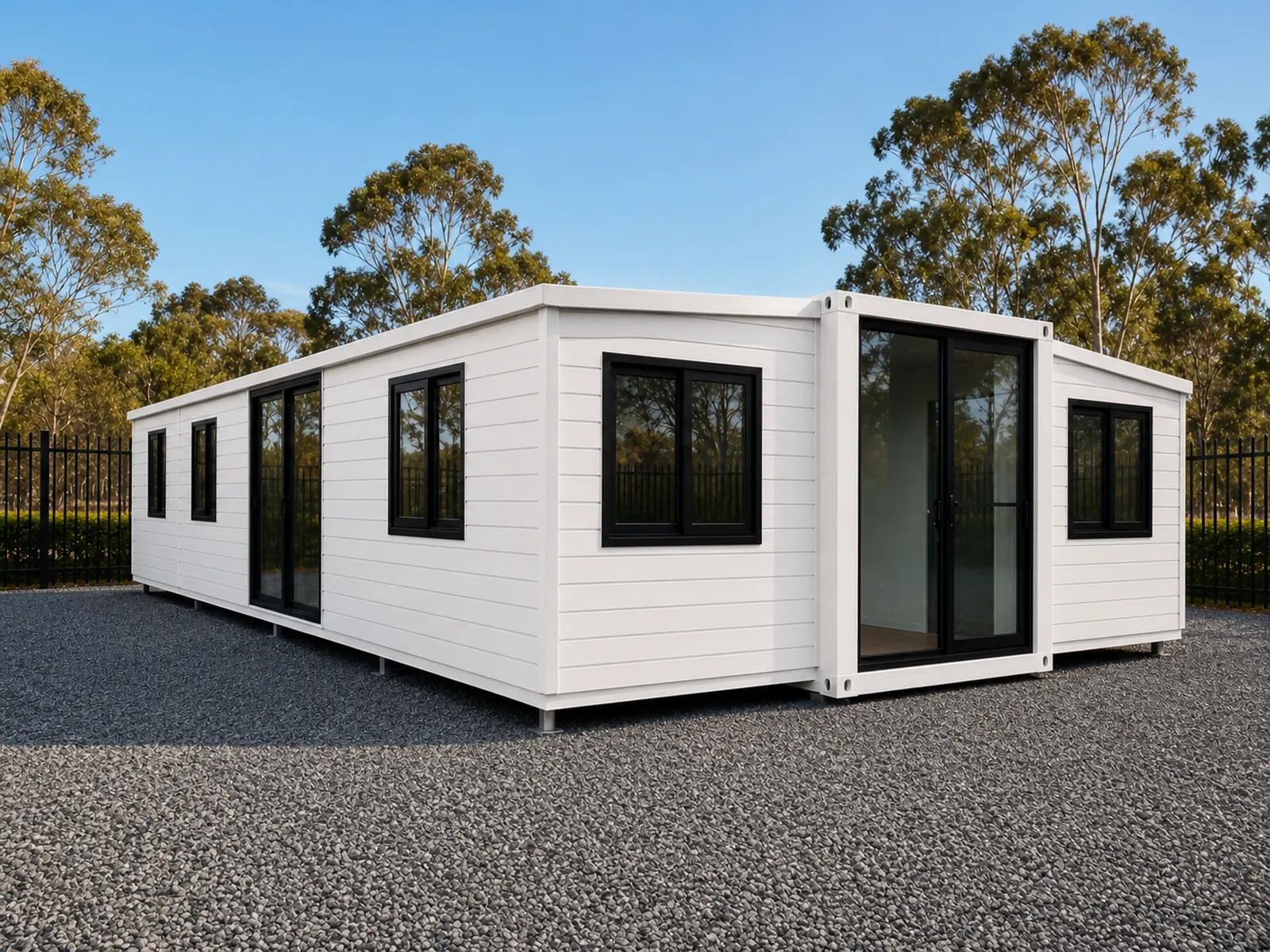
Expandable Homes
EX30 Expandable Home 9m
A 9 metre body that opens to 9 x 6.3 metres, with up to six bedrooms and two bathrooms.
7 photosFactory quote available
View this model
Tiny Homes
MD27 Flat Pack Capsule One Bedroom 27m2
27 m2 with a separate bedroom, still delivered knocked down in flat sections.
3 photosFactory quote available
View this model
Tiny Homes
MD56 Compact Capsule Home 5.6m
18.5 m2 studio, fully finished, with the kitchen left open for you to spec.
7 photosFactory quote available
View this modelGet a quote
Tell us your postcode and what the block is like. We come back with a written quote covering the unit and the freight to your address.